The Role of Phonological Activities in Phonological Skill Development and Growth
Phonological activities play a crucial role in the growth of children’s communication skills. These activities help children understand and use the sounds of language effectively. Phonological skill development supports children’s overall growth, especially in areas like speech, reading, and social interaction.
Phonological skills involve recognizing and manipulating sounds in spoken language. These skills are foundational for learning to read and write. When children engage in phonological activities, they build strong connections between sounds and letters. This connection is essential for decoding words and spelling correctly.
Understanding Phonological Skill Development
Phonological skill development begins early in life. Babies start by listening to sounds around them and gradually learn to distinguish between different speech sounds. As children grow, they develop the ability to break words into smaller parts, such as syllables and individual sounds (phonemes).
Phonological activities include rhyming games, clapping syllables, and identifying the first or last sound in a word. These simple exercises help children become aware of how sounds work in language. For example, when a child learns that “cat” and “hat” rhyme, they are practicing phonological awareness.
In my experience, consistent practice with phonological activities leads to noticeable improvements in children’s speech clarity and confidence. These skills also support vocabulary growth and help children follow instructions more easily.

How Phonological Activities Support Language Growth
Phonological activities do more than improve speech sounds. They also enhance listening skills and memory. When children play sound-based games, they learn to focus on auditory details. This focus helps them understand spoken language better and respond appropriately.
For example, a child who can identify the beginning sound in “dog” (/d/) is better prepared to learn new words that start with the same sound. This ability supports vocabulary expansion and reading readiness.
Phonological activities also encourage children to experiment with sounds. This experimentation is important for speech development. Children learn to produce sounds clearly and combine them into words. Over time, this leads to smoother and more natural speech.
Parents and educators can support this growth by incorporating phonological activities into daily routines. Reading rhyming books, singing songs, and playing sound-matching games are easy ways to practice these skills at home or in the classroom.
Practical Phonological Activities for Everyday Use
Incorporating phonological activities into daily life does not require special tools or a lot of time. Here are some practical ideas that I recommend:
Rhyming Games: Ask your child to find words that rhyme with simple words like “cat,” “ball,” or “sun.” This helps develop sound recognition.
Syllable Clapping: Clap hands together while saying a word slowly, breaking it into syllables. For example, “but-ter-fly” has three claps.
Sound Identification: Play games where your child identifies the first or last sound in a word. For example, “What sound does ‘dog’ start with?”
Sound Substitution: Encourage your child to change the first sound in a word to make a new word. For example, changing “cat” to “bat.”
Listening Walks: Take a walk and listen for different sounds in the environment. Talk about what you hear and how the sounds are different.
These activities are simple but powerful. They build phonological awareness in a fun and engaging way. I have seen many children benefit from these exercises, showing better speech clarity and improved reading skills.
The Impact of Phonological Skill Development on Reading and Writing
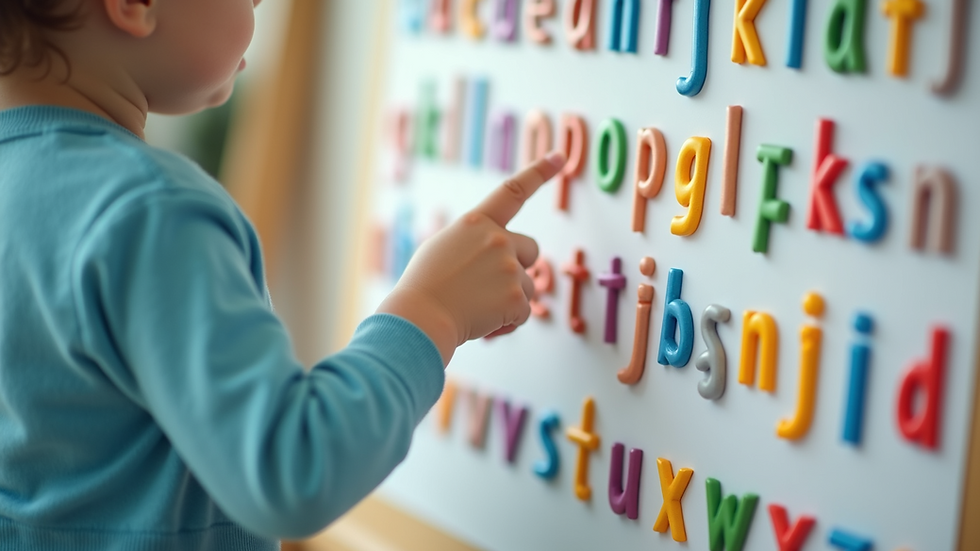
Phonological skill development is closely linked to literacy. Children who have strong phonological awareness find it easier to learn to read and write. This is because they understand how sounds correspond to letters and letter patterns.
When children can break words into sounds, they can decode new words more easily. This skill is essential for reading fluency. It also helps with spelling because children can hear the sounds in words and match them to letters.
For example, a child who understands that the word “ship” has three sounds (/sh/ /i/ /p/) can use this knowledge to read and spell the word correctly. Without phonological awareness, reading and writing can be confusing and frustrating.
I encourage parents and teachers to focus on phonological activities early on. This focus can prevent reading difficulties and support children’s academic success. Speech Therapy Frankfurt offers targeted support to help children develop these skills in a nurturing environment.
Encouraging Phonological Growth in Everyday Life
Supporting phonological growth is a continuous process. It requires patience and consistency. Here are some tips I find helpful for encouraging phonological development:
Make it fun: Use games, songs, and stories to keep children interested.
Be patient: Every child develops at their own pace. Celebrate small successes.
Use everyday moments: Talk about sounds during meals, walks, or playtime.
Read regularly: Choose books with rhymes and repetitive sounds.
Seek professional support: If you notice delays or difficulties, consult a speech therapist.
By integrating phonological activities into daily life, children build a strong foundation for communication and learning. This foundation supports their growth in many areas, from social skills to academic achievement.
If you want to learn more about how phonological activities can support your child’s development, contact Speech Therapy Frankfurt. We provide expert guidance and personalized care for children in the Frankfurt and Wiesbaden area.


Comments